Sleep Apnea: A Guide to the Symptoms and Treatment
What are the symptoms and treatment for sleep apnea? Read our guide as we take a look at this sleeping disorder and more from your dentist in Tarrytown, NY.

Sleep apnea is an all-too-common disorder that affects not only how you sleep but how well you function throughout your waking hours. Chronic sleep disturbance leads to a variety of health problems down the road.
Up to
70 million U.S. adults suffer from a sleep disorder. If you're reading this, you might be curious about the signs and symptoms of sleep apnea. If so, continue reading for an overview of what this sleep disorder entails and what sort of treatments exist.
Why Do We Need Sleep?
To begin, let's take a quick look at why sleep health is so important. The benefits of proper sleep are far-ranging. A good night's sleep is equally as important as eating a balanced diet and getting regular exercise.
Because it is such a key component for overall health, proper sleep will help the body flourish in various ways:
- Concentration improves
- The immune system is bolstered
- Inflammation in the body decreases
- The risk of heart disease decreases
- Athletic performance improves
- Concentration improves throughout the day
- Supports overall mental health
So, how then does sleep apnea tie in and how does it negatively impact our sleep health?
What is Sleep Apnea?
It's a disorder that interrupts a person's regular breathing cycle during sleep. When airflow is cut off for an extended period of time, negative side effects begin to manifest. Such side effects range from basic dry mouth to fatigue.
These extended pauses in breathing affect the body's regular oxygen supply. Symptoms of such abnormal lapses of breath include:
- Night sweats
- Headaches
- Loud snoring
- Gasping sensations
- Excessive daytime fatigue
- Difficulty with concentration
- Crankiness during the day
- High blood pressure
While symptoms tend to vary from person to person, one commonality remains: extended lack of oxygen deprivation can be harmful.
Importance of Proper Breathing
Why is it that this lack of oxygen is harmful? The heart rate drops the longer oxygen gets withheld and is unable to cycle through the brain and body.
As soon as the body can take a breath, both heart rate and blood pressure quickly rise. The walls of the heart begin to thicken with a chronic rise in blood pressure. This is important because the heart then becomes less efficient at its main job: pumping blood. The heart essentially works overtime, leading to a reduced functioning state.
Types of Sleep Apnea
There are two main types with a third type classified as a sort of combination of the two. These three types are:
- Obstructive sleep apnea
- Central sleep apnea
- Complex sleep apnea
Let's go over the main ones which are obstructive and central. To start, obstructive sleep apnea is the most common form. With obstructive apnea, the flow of oxygen during sleeping hours is interrupted by either a full or partial airway blockage.
This blockage happens when the chest muscles and diaphragm have to work extra hard to get breath to flow properly through the airway.
Central apnea is slightly different. The airway doesn't become blocked, rather, the control system in the respiratory system is unstable. This leads to failed signals from the brain to the muscles to keep breathing.
Causes
As noted, obstructive sleep apnea occurs when the airway is blocked. This blockage can occur as a result of soft tissue in the back of the throat collapsing. What causes the actual blockage in the first place?
Causes might include any of the following:
- Congestion from illness
- Certain sedative medications
- Size of neck
- Obesity
- Age
- Family history
- Sleeping position (back)
- Hormone abnormalities
- Alcohol consumption
While sleep apnea can truly affect anyone, these are simply a few examples of causes.
As for central sleep apnea, changes in proper breathing generally stem from an underlying medical condition like heart failure or stroke. It may also be caused by sleeping at high altitudes.
Treatments Available
For obstructive sleep apnea, evaluations can be made by a variety of specialists:
- Ear, nose, and throat doctor
- Cardiologist
- Neurologist
- Primary physician
- Sleep specialist
- Dentist
An area that exists for the treatment for sleep apnea that may be surprising to you is that of dentistry. Dental medicine does exist to treat sleep-disordered breathing. Dentists are able to focus on treatment through certain oral appliances and therapies.
Oral appliances are built specifically to keep your airway open and your breath flowing through properly. Treatment typically involves the wearing of an oral mouthpiece. Think classic sports guard or orthodontic retainer.
Treatment Devices
Different mouthpieces exist to treat sleep apnea, however, there are two that are primarily used: mandibular advancement devices and tongue retaining devices. Your dentist will be able to determine which device is most appropriate for your situation.
The mandibular device is more commonly used and works to reposition the jaw. The lower half of your jaw gets moved forward, ultimately helping to keep your airway open. These devices resemble mouth guards and are created specifically for you by your dentist.
The tongue retaining device is less commonly used but is a bit more straightforward. The device itself essentially holds your tongue in place. This keeps your tongue from blocking the airway. Thus allowing oxygen to flow through as usual.
Take a Deep Breath and Call Your Dentist
Poor sleep health leads directly to poor physical and mental health. Hopefully, this advice about sleep apnea has been helpful, and you'll be on your way to breathing easy again in no time.
Getting your sleep health under control can start at the dentist. Do you suffer from sleep apnea and are you looking for a dentist in Tarrytown NY to help? Look no further!
No need to search online anymore for 'dentist Tarrytown NY'. Here at Broadway Cosmetic Dentistry, we provide a full range of dental services built to help you maintain your oral health.
You can breathe easy knowing your dental health is in good hands. Contact our office today to request an appointment!
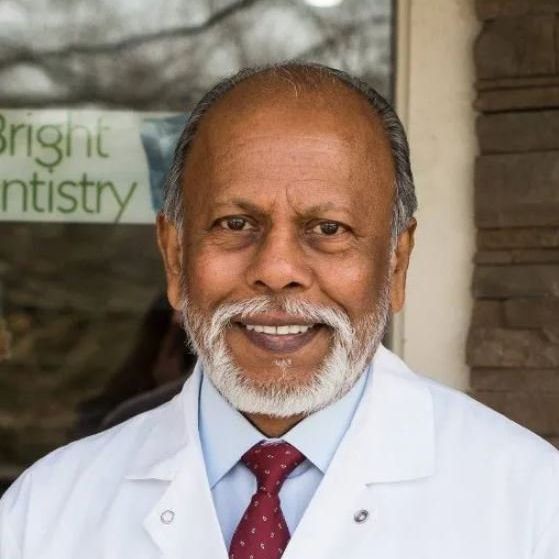
Dr. Rohit Z Patel
D.D.S
After graduating at the top of his class, Dr. Patel continued his postgraduate studies in endodontics at Columbia University College of Dental Medicine in New York. He was appointed to assistant clinical professor of dentistry at Columbia University and later moved on to teach at the Montefiore Medical Center’s Department of Dentistry. Westchester Magazine recognized Dr. Patel as a “Top Dentist for 2012.”

Dr. Yung Kim
D.D.S
Dr. Yung Kim is a double board certified Periodontist and board certified Prosthodontist, educated to treat many extremely complex disorders involving gum disease, tooth decay, and oral pathology. His focus is on full-mouth, complex, surgical, and reconstructive dentistry. He has extensive knowledge of implant dentistry and advanced surgical procedures, specializing in teeth in a day and All-on-Four implants. He is also Invisalign certified and experienced with CAD/CAM restorations and dentures.

Dr. Brendan Gallagher
D.D.S
Dr. Brendan Gallagher is dedicated to providing safe, compassionate, and reliable surgical care while keeping communication clear and timely with referring offices. He values building strong partnerships with colleagues to ensure the very best care for patients. Outside of practice, Dr. Gallagher enjoys mentoring upcoming dentists through social media and podcasting. He also enjoys running, trying new craft beers and spending time with friends and family. You can find Dr. Gallagher at our Brewster, Tarrytown and Mount Vernon locations.

Dr. Santvana Vyas
D.D.S
Dr Vyas attended NYU College of Dentistry and earned DDS in 2016 at the top of her class. She was inducted into Omicron Kappa Upsilon (OKU), the national dental honor society and earned Outstanding Achievement Award in study of Prosthodontics.
Dr Vyas is an active member of American College of Prosthodontics (ACP) and American Dental Association (ADA). She is appointed as a Clinical Assistant Professor at NYU College of Dentistry. She is married and is blessed with two sons.
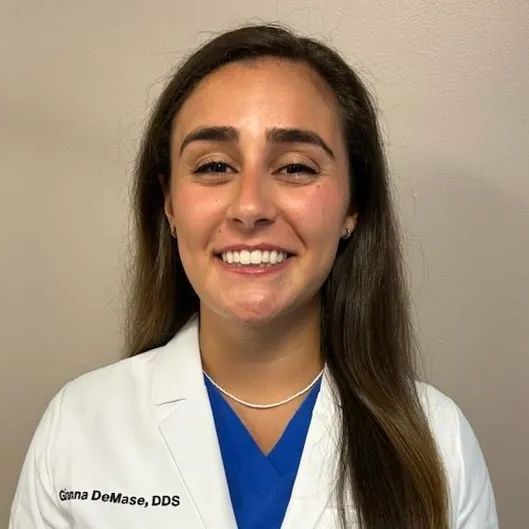
Dr. Gianna DeMase
D.D.S
Dr. DeMase received her undergraduate degree from Binghamton University where she double-majored in Biology and Spanish. She then earned her Doctor of Dental Surgery from New York University College of Dentistry where she graduated with honors in periodontics. After dental school, Dr. DeMase completed a General Practice Residency at Jacobi Medical Center, a level one trauma hospital. Here, she participated in community outreach in the women’s health clinic and taught medical students how to do oral exams. She also worked with special needs patients in Jacobi’s Rose F. Kennedy Center. Dr. DeMase remains committed to being active in the community.
Read More
Dr. DeMase has experience in cavity restoration, endodontics, oral surgery, oral pathology, and prosthodontics including implant restorations.
She highly values patient education and always ensures your comfort and understanding of the treatment. She strongly believes in patient centered care and therefore tailors each treatment plan to you and your needs. As a member of the American Dental Association, Dr. DeMase is always aware of the latest studies and developments in the dental field and strives to apply them to her practice. In her spare time, she can usually be found with a book in her hands.