The Pros And Cons Of Dental Bonding Vs. Veneers: Which Is Right For You?
Explore the pros and cons of dental bonding vs. veneers, and determine which option is the best choice for your dental goals.
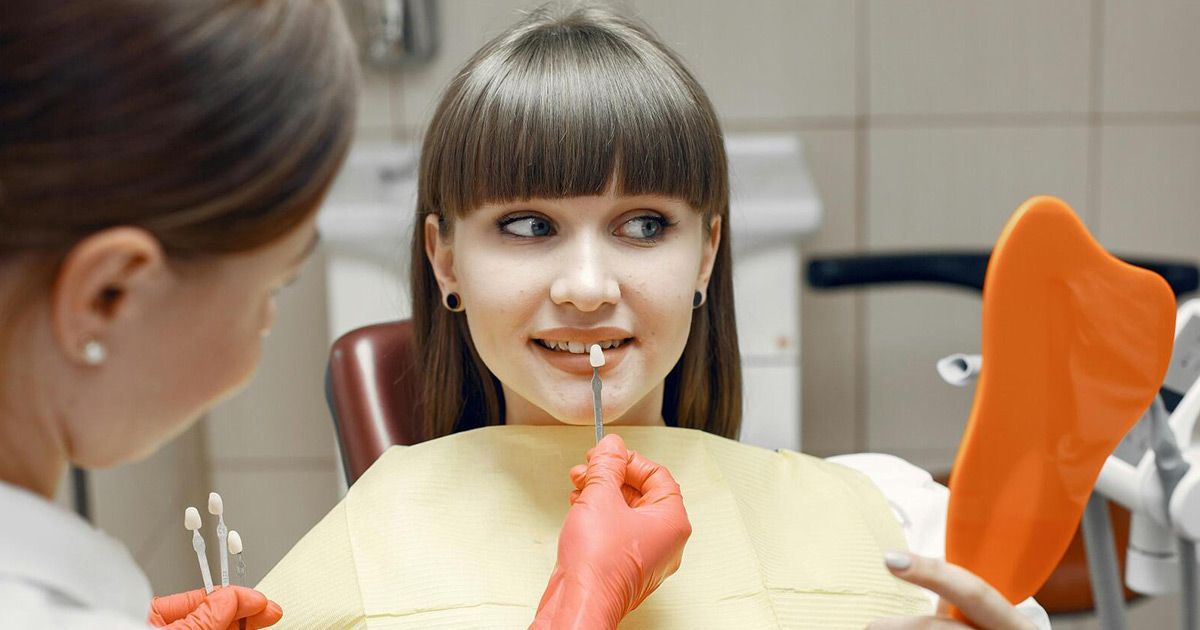
Are you considering improving your smile with dental procedures? Two popular options, dental bonding and veneers, offer solutions for various dental imperfections. Understanding the differences between these treatments is vital before making a decision.
In this blog post, we'll explore the pros and cons of dental bonding vs. veneers, simplifying the complexities in order to help you choose the best option for your smile.
Let's get started with this guide to the pros and cons of dental bonding vs. veneers.
What Is Dental Bonding?
Dental bonding is a cosmetic dental procedure where a tooth-colored resin material is applied to the surface of a tooth and then hardened with a special light. This helps to repair chips, cracks, gaps, or discoloration, improving the appearance of the tooth.
Pros
Dental bonding offers several advantages, including the fact that it is generally more affordable than veneers, making it a budget-friendly option for improving your smile.
Bonding can often be completed in a single visit to the dentist, providing immediate results without the need for multiple appointments.
Furthermore, unlike some other cosmetic procedures, bonding requires minimal removal of tooth enamel, preserving the natural structure of your teeth.
Cons
There are some drawbacks to dental bonding that you should weigh. For example, bonding materials are not as strong as veneers and may be more prone to chipping or breaking, especially when exposed to heavy biting forces.
The resin used in bonding can also become discolored over time, particularly if exposed to foods and beverages that commonly stain teeth, such as coffee and red wine.
While bonding can last several years with proper care, it typically does not last as long as veneers, which are made of more durable material.
What Are Veneers?
Veneers, crafted from porcelain or composite resin, are custom-designed thin shells intended to cover the frontal aspect of teeth.
This treatment necessitates the gentle removal of a small portion of enamel from the tooth's surface to accommodate the veneer, which is then securely affixed using specialized dental adhesive.
Pros
Veneers boast remarkable durability, capable of enduring the everyday biting and chewing pressures. Unlike bonding materials, which may be prone to chipping or breaking, veneers are made of sturdy materials that can endure daily wear and tear.
Porcelain veneers, in particular, are resistant to staining, helping to maintain a bright, white smile even after consuming foods and beverages that may discolor natural teeth. This makes veneers an excellent option for individuals who want to enjoy their favorite foods without worrying about compromising the appearance of their smile.
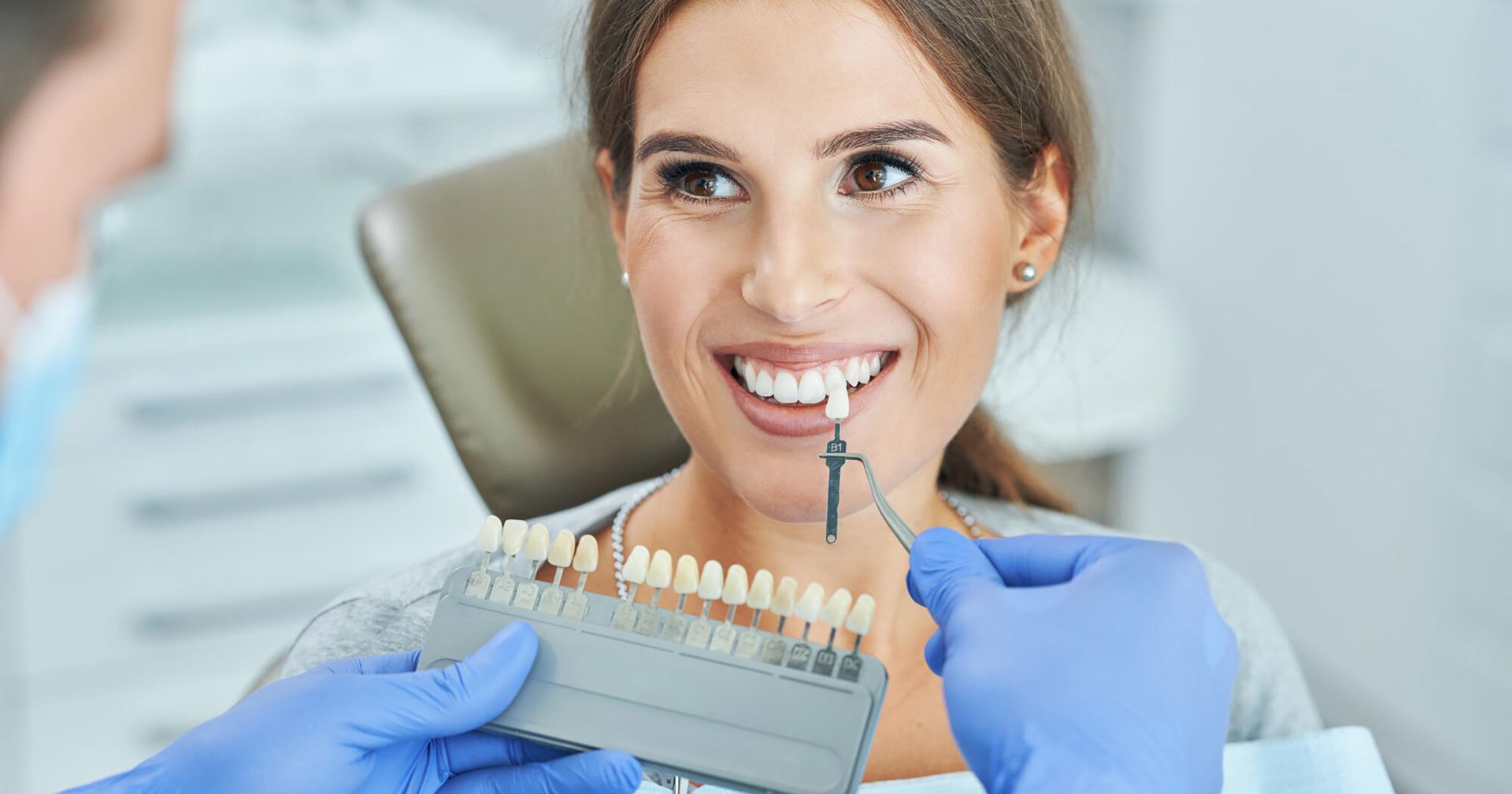
Dental veneers are meticulously crafted to mimic the shape, size, and shade of your existing teeth, seamlessly enhancing your smile. Their translucent porcelain quality mirrors that of natural enamel, ensuring a beautiful and genuine appearance for your smile enhancement.
Cons
Now, what about dental bonding vs veneers costs? Well, veneers tend to be more expensive than dental bonding, primarily due to the materials used and the customization involved in creating each veneer.
While the initial cost of veneers may be higher, many individuals find that the long-term benefits and aesthetic results justify the investment.
Preparing teeth for veneers entails the irreversible removal of a minimal amount of enamel. Once enamel is removed, it cannot be replaced, and the tooth will always require some form of restoration.
While veneers offer a permanent solution for enhancing the appearance of your smile, it's essential to consider the irreversible nature of the process before undergoing treatment.
Factors to Consider
Deciding between dental bonding and veneers depends on factors like the severity of dental issues, budget, desired longevity of results, and preference for a minimally invasive procedure. These factors guide you in selecting the best option for a confident and radiant smile.
Severity of Dental Issues
When deciding between dental bonding and veneers, it's essential to consider the severity of your dental concerns.
Dental bonding is ideal for addressing minor imperfections such as small chips, cracks, or gaps between teeth. It's also effective for enhancing the appearance of teeth that are mildly discolored.
However, for more significant cosmetic issues or extensive damage, veneers may be a better option. Veneers can effectively conceal moderate to severe discoloration, larger chips or cracks, and minor misalignments.
Budget Considerations
Another crucial factor to consider when choosing between bonding and veneers is your budget. Dental bonding is generally more cost-effective than veneers, making it a more accessible option for individuals with budgetary constraints.
Since bonding typically requires less time and fewer materials, it tends to be less expensive than the multi-step process involved in creating and placing veneers.
While veneers may be initially more expensive, they offer long-lasting results and superior durability compared to bonding.
Desired Longevity of Results
The longevity of results is another essential factor to consider when choosing between bonding and veneers. Dental bonding typically lasts for several years with proper care, but it may not be as durable or long-lasting as veneers.
Veneers, on the other hand, are made of strong materials such as porcelain or composite resin and can last ten years or more with proper maintenance.
Therefore, if you're looking for a more permanent solution and are willing to invest in a treatment that offers superior longevity, veneers may be the preferred option.
Preference for a Minimally Invasive Procedure
There is also a difference in the dental bonding vs veneers process. Some may prefer a minimally invasive approach when undergoing cosmetic dental treatments.
Dental bonding is typically less invasive than veneers since it requires minimal removal of tooth enamel. The process involves applying a tooth-colored resin directly to the tooth's surface without altering its structure significantly.
In contrast, veneers require the removal of a thin layer of enamel to accommodate the veneer, which is an irreversible process.
Therefore, if you prioritize preserving as much of your natural tooth structure as possible, bonding may be the preferred option.
Dental Bonding vs. Veneers: Which Is Right For You?
To sum up, understanding the differences between dental bonding vs veneers is vital in making the right choice for your smile. Whether you opt for the affordability and simplicity of bonding or the durability and longevity of veneers, Broadway Cosmetic Dentistry PC stands ready to assist.
Our comprehensive range of dental procedures ensures you achieve the best smile possible.
Book an appointment online today.
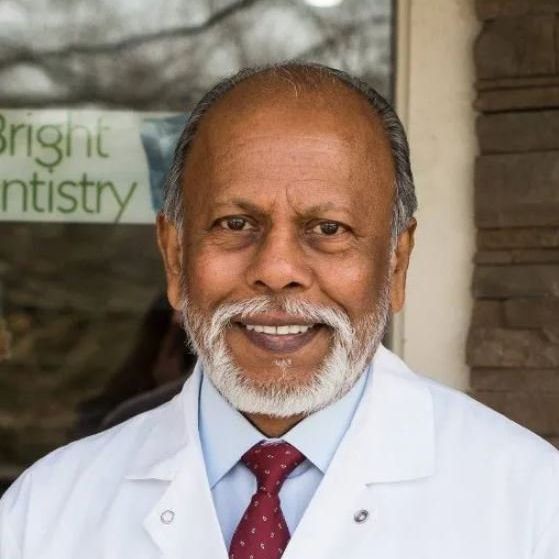
Dr. Rohit Z Patel
D.D.S
After graduating at the top of his class, Dr. Patel continued his postgraduate studies in endodontics at Columbia University College of Dental Medicine in New York. He was appointed to assistant clinical professor of dentistry at Columbia University and later moved on to teach at the Montefiore Medical Center’s Department of Dentistry. Westchester Magazine recognized Dr. Patel as a “Top Dentist for 2012.”

Dr. Yung Kim
D.D.S
Dr. Yung Kim is a double board certified Periodontist and board certified Prosthodontist, educated to treat many extremely complex disorders involving gum disease, tooth decay, and oral pathology. His focus is on full-mouth, complex, surgical, and reconstructive dentistry. He has extensive knowledge of implant dentistry and advanced surgical procedures, specializing in teeth in a day and All-on-Four implants. He is also Invisalign certified and experienced with CAD/CAM restorations and dentures.

Dr. Brendan Gallagher
D.D.S
Dr. Brendan Gallagher is dedicated to providing safe, compassionate, and reliable surgical care while keeping communication clear and timely with referring offices. He values building strong partnerships with colleagues to ensure the very best care for patients. Outside of practice, Dr. Gallagher enjoys mentoring upcoming dentists through social media and podcasting. He also enjoys running, trying new craft beers and spending time with friends and family. You can find Dr. Gallagher at our Brewster, Tarrytown and Mount Vernon locations.

Dr. Santvana Vyas
D.D.S
Dr Vyas attended NYU College of Dentistry and earned DDS in 2016 at the top of her class. She was inducted into Omicron Kappa Upsilon (OKU), the national dental honor society and earned Outstanding Achievement Award in study of Prosthodontics.
Dr Vyas is an active member of American College of Prosthodontics (ACP) and American Dental Association (ADA). She is appointed as a Clinical Assistant Professor at NYU College of Dentistry. She is married and is blessed with two sons.
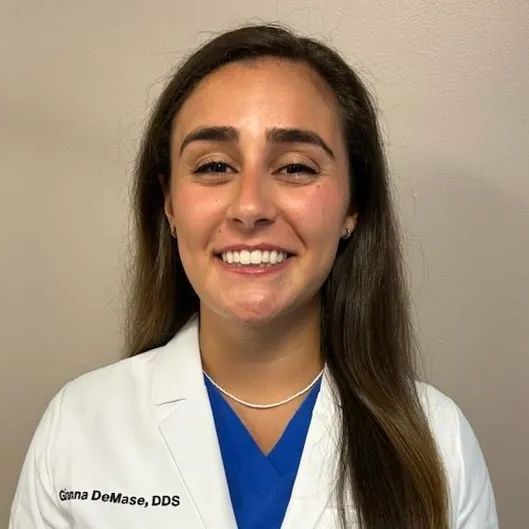
Dr. Gianna DeMase
D.D.S
Dr. DeMase received her undergraduate degree from Binghamton University where she double-majored in Biology and Spanish. She then earned her Doctor of Dental Surgery from New York University College of Dentistry where she graduated with honors in periodontics. After dental school, Dr. DeMase completed a General Practice Residency at Jacobi Medical Center, a level one trauma hospital. Here, she participated in community outreach in the women’s health clinic and taught medical students how to do oral exams. She also worked with special needs patients in Jacobi’s Rose F. Kennedy Center. Dr. DeMase remains committed to being active in the community.
Read More
Dr. DeMase has experience in cavity restoration, endodontics, oral surgery, oral pathology, and prosthodontics including implant restorations.
She highly values patient education and always ensures your comfort and understanding of the treatment. She strongly believes in patient centered care and therefore tailors each treatment plan to you and your needs. As a member of the American Dental Association, Dr. DeMase is always aware of the latest studies and developments in the dental field and strives to apply them to her practice. In her spare time, she can usually be found with a book in her hands.