8 Best Brushing Techniques for Clean and Healthy Teeth
Keeping your teeth clean involves knowing how to brush them. Here are the best brushing techniques to discuss with your emergency dentist in Tarrytown, NY.
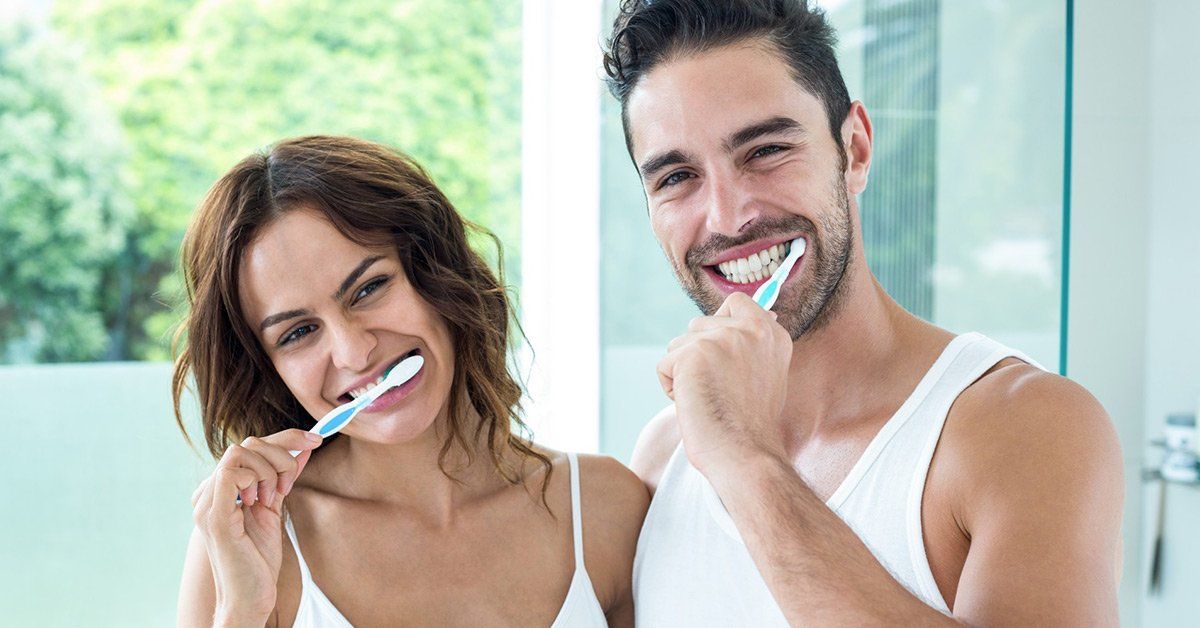
How good is your dental hygiene and health? Nearly half (46%) of all adults 30 years and above have signs of gum disease.
Despite the high statistics, people don't do enough to prevent dental problems. Practices like preventive dentistry are not fully embraced.
Taking care of your dental health is as simple as brushing your teeth. This reduces the risks of tooth decay, gum disease, and oral cancer. However, you have to brush your teeth right.
Some brushing techniques can cause more harm than good. Keep reading to learn the best brushing techniques.
1. Pick the Right Toothbrush
Before buying a toothbrush, understand your needs. Do you have sensitive teeth? Do you need a toothbrush that can get into hard-to-reach areas of your mouth?
Are you looking for a toothbrush that prevents cavities? For a toothbrush that can get into hard-to-reach areas, go with small head size. This is helpful if you have large gaps between your teeth.
There are many types of toothbrushes. You can choose electric or manual. Consider your comfort level when using an electric brush.
A manual brush is much cheaper than an electric one. However, they are also effective in boosting your dental hygiene. For manual toothbrushes, remember to check the bristles.
Toothbrushes with stiff, widely spaced bristles remove plaque effectively.
2. Brush Your Teeth Regularly
Regular teeth brushing prevents gum disease, cavities, and bad breath. However, most people don’t brush their teeth as much as they should.
American Dental Association recommends that people brush their teeth twice a day for two minutes. That doesn't always happen.
People who brush regularly have healthy and stronger teeth. Brushing your teeth removes plaque and bacteria from the surface of the tooth enamel. This prevents tooth decay and gum disease.
Brushing also stimulates blood flow in the gums.
3. See a Dentist Regularly
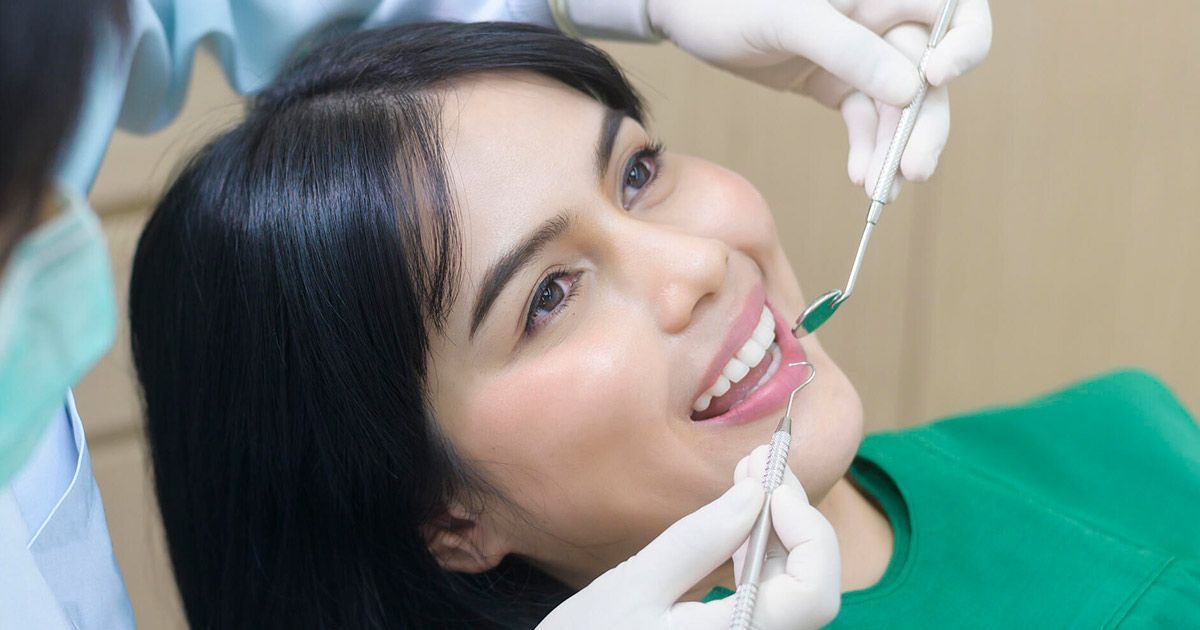
The mouth is home to hundreds of bacteria and other microorganisms. Regular dental checkups maintain a healthy mouth and prevent future dental issues. Go for a dental checkup at least once every six months.
Don’t wait until you have dental emergencies to see a dentist. The dentist spots any problems before they become too serious.
People avoid regular visits to the dentist as they are often painful and expensive. They’re necessary.
Preventive dentistry lowers the risk of developing serious dental problems.
4. Apply Gentle and Circular Motions
The correct way to brush your teeth has been highly debated for generations. The simple everyday routine can be the cause of many oral health problems. People who brush too hard can suffer gum recession and tooth sensitivity. It can also result in bleeding gum.
It doesn't matter how often you brush, how you brush matters most. Applying gentle and circular motions reduces the risk of gum disease and tooth decay.
Avoid the traditional up and down motion. Brushing your teeth harder doesn't make your teeth whiter.
5. Use a Flouride Toothpaste
Toothpaste is a necessity in oral hygiene. Fluoride toothpaste is the best out there.
Fluoride mineral strengthens tooth enamel and prevents tooth decay. It's naturally occurring in many places, including soil and water. When ingested in large doses, it can cause serious health problems.
Fluoride toothpaste is effective if you brush your teeth twice daily for at least 2 minutes.
6. Make Flossing as Important as Brushing
Flossing is not given equal attention as brushing. There's a lot of conflicting information about whether to floss or not. For healthy teeth and gums, you need to floss.
Flossing removes plaque between your teeth. Brushing only cleans about 50% of the surface area of your teeth.
How often should you floss your teeth? The answer depends on your age, lifestyle, and your teeth condition.
Flossing might not be something you enjoy doing. It takes you minutes and extra effort to remove debris between your teeth. However, it’s one of the best brushing techniques to consider.
7. Brush the Tongue and Inside Your Cheeks
Brushing your teeth is a task we all do every day. However, most of us don't take the time to brush the tongue and inside your cheeks. Brushing your tongue and inside the cheeks is as essential as your teeth.
Here’s why you should brush these places:
- It reduces bad breath.
- It prevents cavities, since food particles get stuck in your mouth
- You can get rid of bacteria that cause gum disease and tooth decay
A tongue scraper is a perfect tool to maintain a healthy mouth. It helps scrape off the plaque which accumulates on your tongue and gums. Plaque can lead to bad breath and tooth decay.
8. Hold and Handle the Toothbrush Correctly
Most people hold their toothbrushes either underhand or overhand. Both of these methods are incorrect. The correct way is to keep it at a 45-degree angle, pointing towards your gums.
Don’t hold it straight like a pencil. A 30-degree angle is perfect for hitting all surfaces of your teeth.
Brush the top, bottom, and sides of each tooth in a circular motion.
Don't just focus on the front of your teeth; inner parts also matter. Holding your toothbrush incorrectly can cause a lot of dental issues.
Pick up the toothbrush by the handle, not by the head. Holding the head increases the risk of squeezing the bristles. Using a toothbrush with damaged bristles is also a health risk.
There is a possibility your teeth brush methods are all wrong. It’s time to change! Handle your toothbrush correctly to enjoy the benefits of regular brushing.
Best Brushing Techniques Improve Your Dental Health
It's easy to adopt bad toothbrushing techniques. You need proper dental care to maintain that beautiful smile and zero dental problems. The above strategies are the best brushing techniques for improving dental health.
Broadway Cosmetic Dentistry PC offers a full range of dental services. We offer the best dental care available to help you maintain a healthy set of teeth. We personalize our care to cater to your specific needs.
Contact us today for a dental checkup or treatment if you have any dental problems. We are located at Brewster, New York.
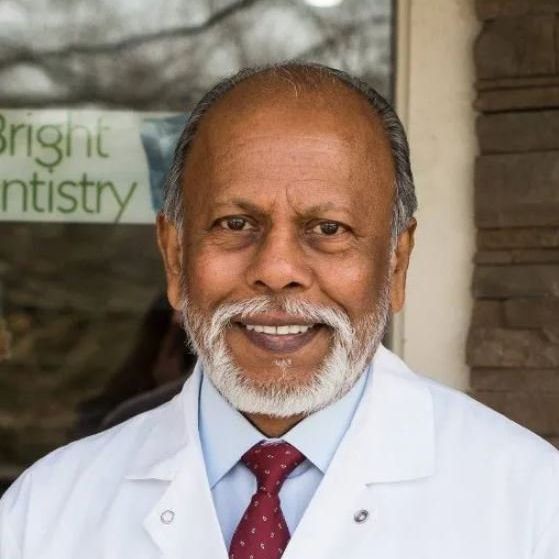
Dr. Rohit Z Patel
D.D.S
After graduating at the top of his class, Dr. Patel continued his postgraduate studies in endodontics at Columbia University College of Dental Medicine in New York. He was appointed to assistant clinical professor of dentistry at Columbia University and later moved on to teach at the Montefiore Medical Center’s Department of Dentistry. Westchester Magazine recognized Dr. Patel as a “Top Dentist for 2012.”

Dr. Yung Kim
D.D.S
Dr. Yung Kim is a double board certified Periodontist and board certified Prosthodontist, educated to treat many extremely complex disorders involving gum disease, tooth decay, and oral pathology. His focus is on full-mouth, complex, surgical, and reconstructive dentistry. He has extensive knowledge of implant dentistry and advanced surgical procedures, specializing in teeth in a day and All-on-Four implants. He is also Invisalign certified and experienced with CAD/CAM restorations and dentures.

Dr. Brendan Gallagher
D.D.S
Dr. Brendan Gallagher is dedicated to providing safe, compassionate, and reliable surgical care while keeping communication clear and timely with referring offices. He values building strong partnerships with colleagues to ensure the very best care for patients. Outside of practice, Dr. Gallagher enjoys mentoring upcoming dentists through social media and podcasting. He also enjoys running, trying new craft beers and spending time with friends and family. You can find Dr. Gallagher at our Brewster, Tarrytown and Mount Vernon locations.

Dr. Santvana Vyas
D.D.S
Dr Vyas attended NYU College of Dentistry and earned DDS in 2016 at the top of her class. She was inducted into Omicron Kappa Upsilon (OKU), the national dental honor society and earned Outstanding Achievement Award in study of Prosthodontics.
Dr Vyas is an active member of American College of Prosthodontics (ACP) and American Dental Association (ADA). She is appointed as a Clinical Assistant Professor at NYU College of Dentistry. She is married and is blessed with two sons.
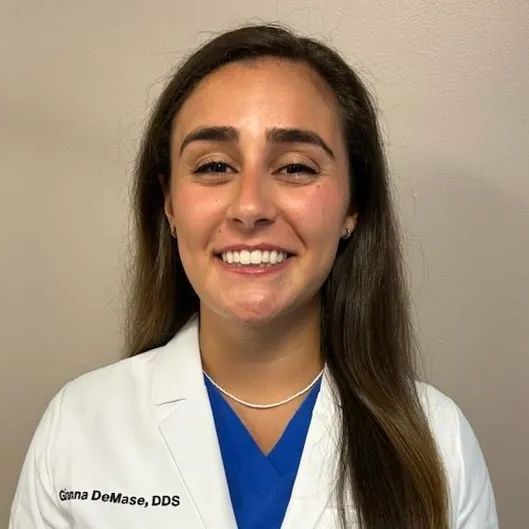
Dr. Gianna DeMase
D.D.S
Dr. DeMase received her undergraduate degree from Binghamton University where she double-majored in Biology and Spanish. She then earned her Doctor of Dental Surgery from New York University College of Dentistry where she graduated with honors in periodontics. After dental school, Dr. DeMase completed a General Practice Residency at Jacobi Medical Center, a level one trauma hospital. Here, she participated in community outreach in the women’s health clinic and taught medical students how to do oral exams. She also worked with special needs patients in Jacobi’s Rose F. Kennedy Center. Dr. DeMase remains committed to being active in the community.
Read More
Dr. DeMase has experience in cavity restoration, endodontics, oral surgery, oral pathology, and prosthodontics including implant restorations.
She highly values patient education and always ensures your comfort and understanding of the treatment. She strongly believes in patient centered care and therefore tailors each treatment plan to you and your needs. As a member of the American Dental Association, Dr. DeMase is always aware of the latest studies and developments in the dental field and strives to apply them to her practice. In her spare time, she can usually be found with a book in her hands.