What Does a Dental Cleaning Consist Of?
Find out what happens during a regular dental cleaning, why it's needed, and how it affects your oral health with this guide.
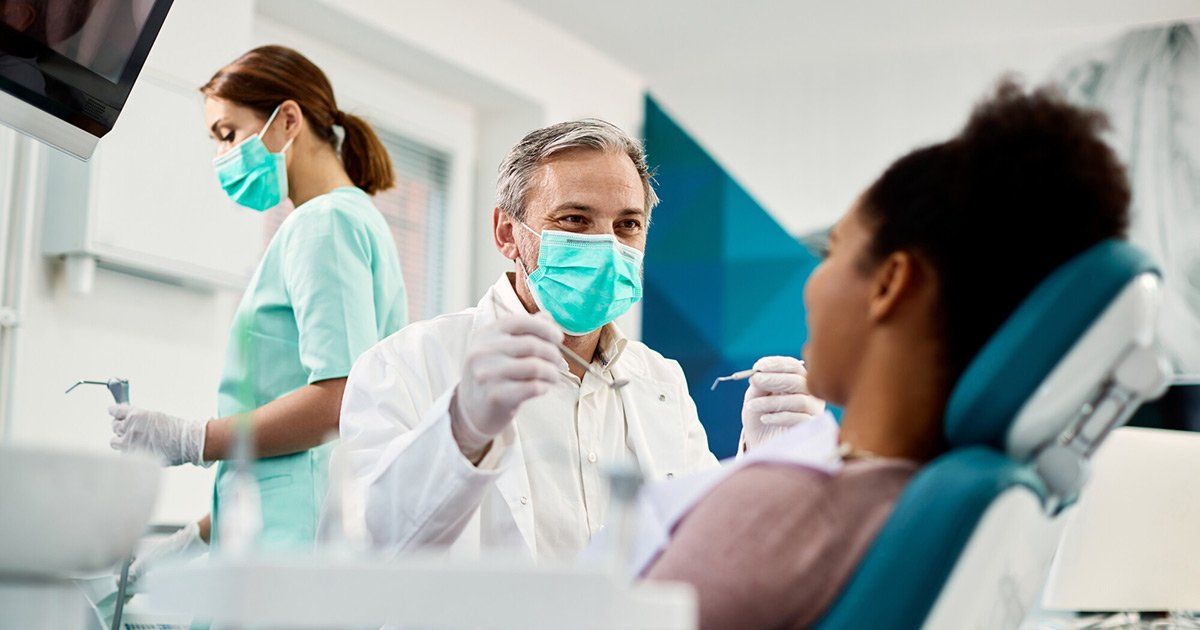
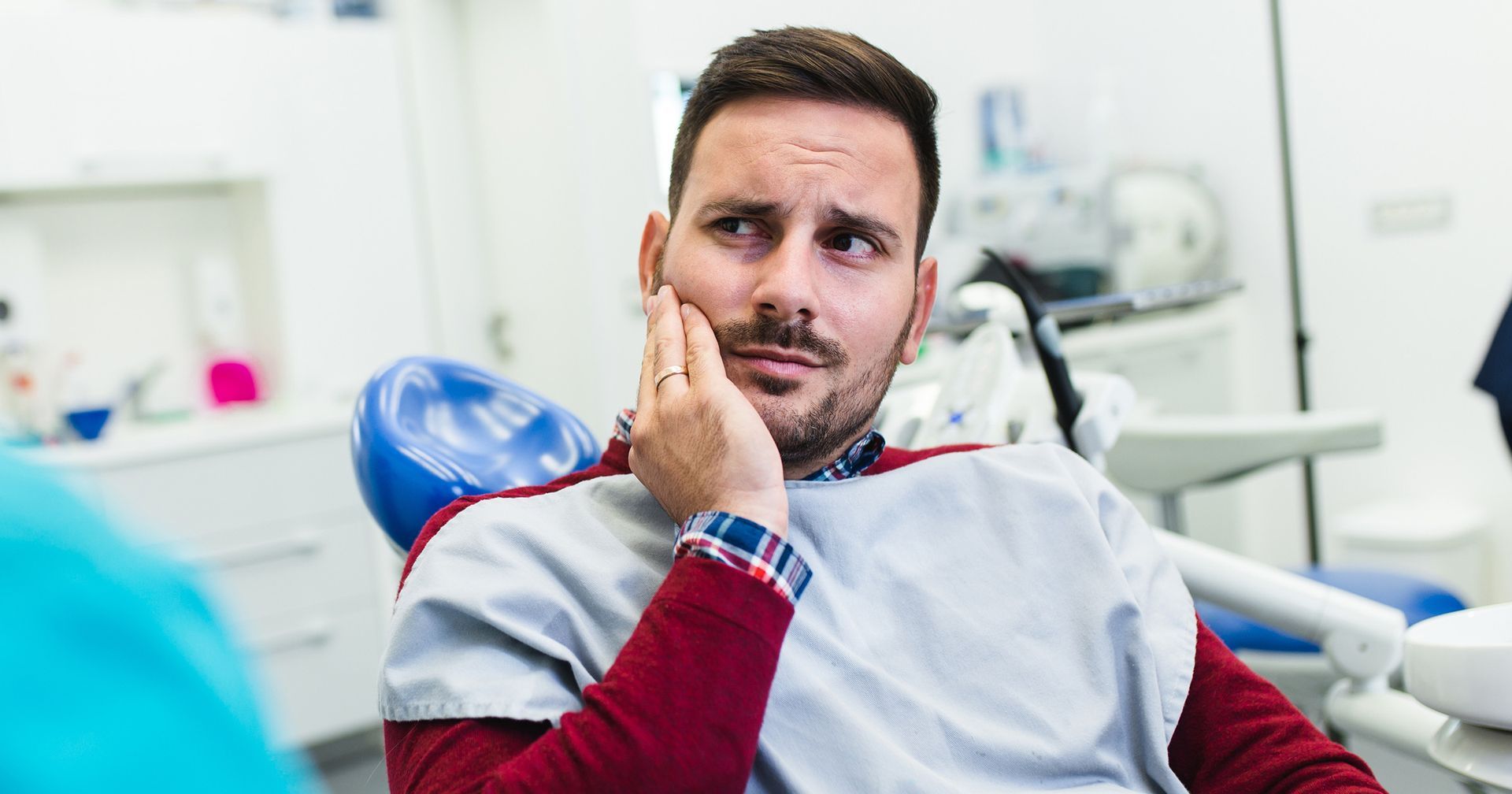
Has it been a while since your last dental cleaning? If so, you may be wondering what to expect. You may even feel anxious about climbing into the exam chair.
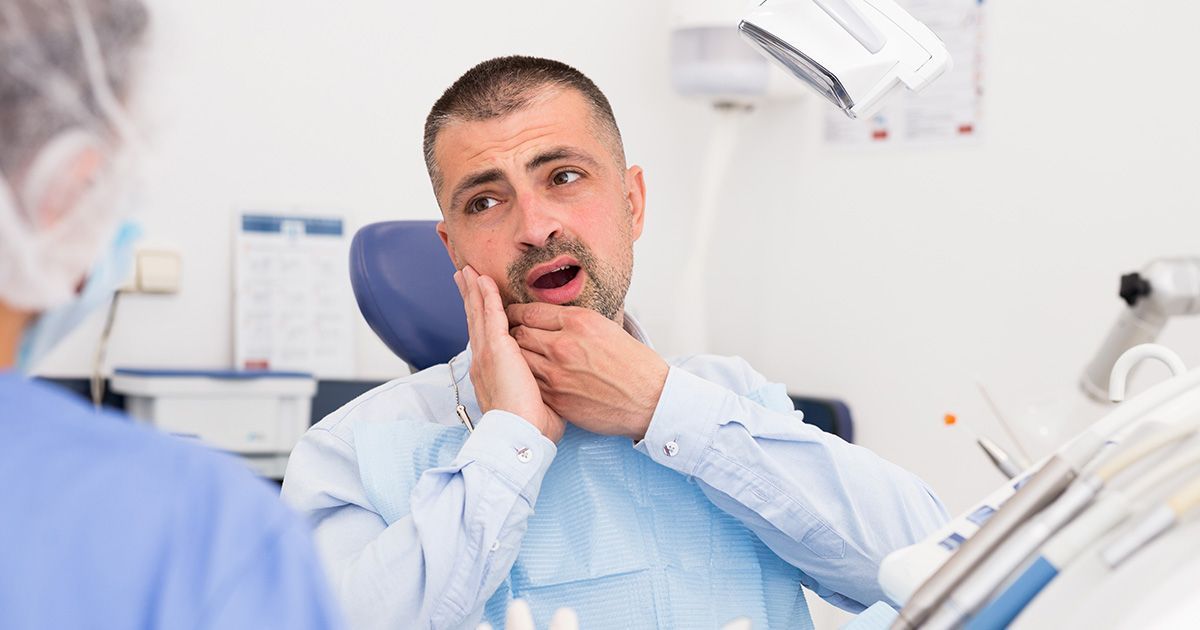
You're not alone. Nearly 36% of people have dental anxiety or a fear of the dentist. In some cases, this prevents them from scheduling necessary cleanings and procedures.
The more you know about what happens during a routine dental cleaning, the more at ease you'll be. You'll also see the obvious benefits and how your oral health directly affects your overall health and wellbeing.
Before you schedule your next appointment with
a dentist in Tarrytown, NY, read our guide on what a dental cleaning consists of and what you can expect from your visit.
The Physical Exam
Most dental cleanings are done by a hygienist, not the actual dentist. Once your teeth are clean, the doctor will come in to perform a final check and oral cancer screening, if applicable.
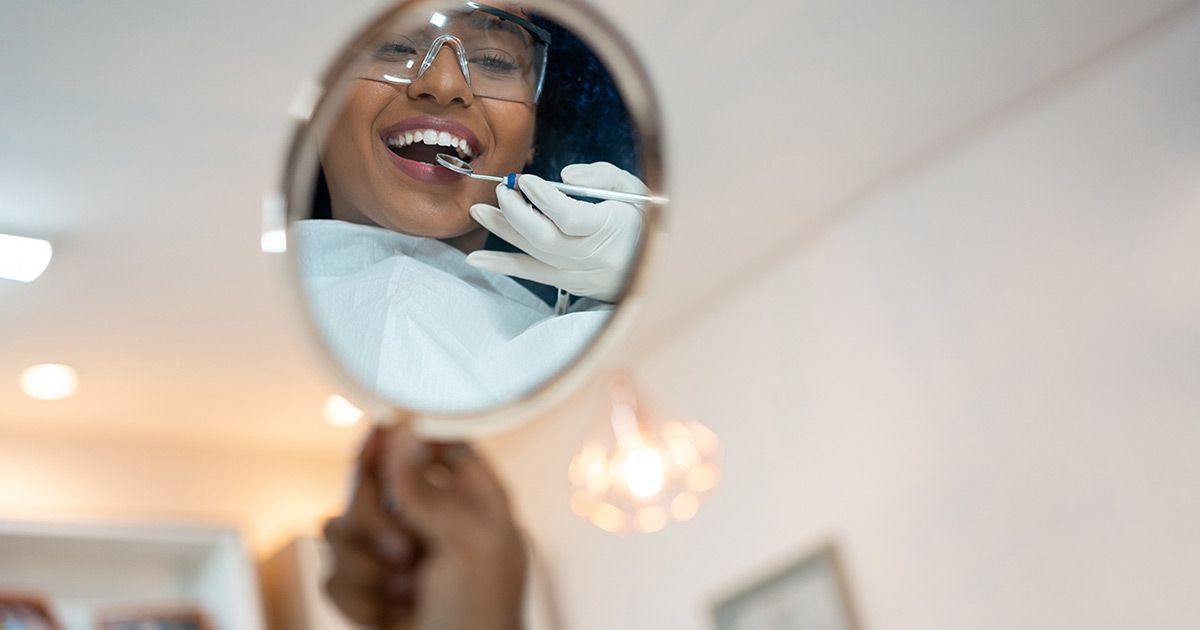
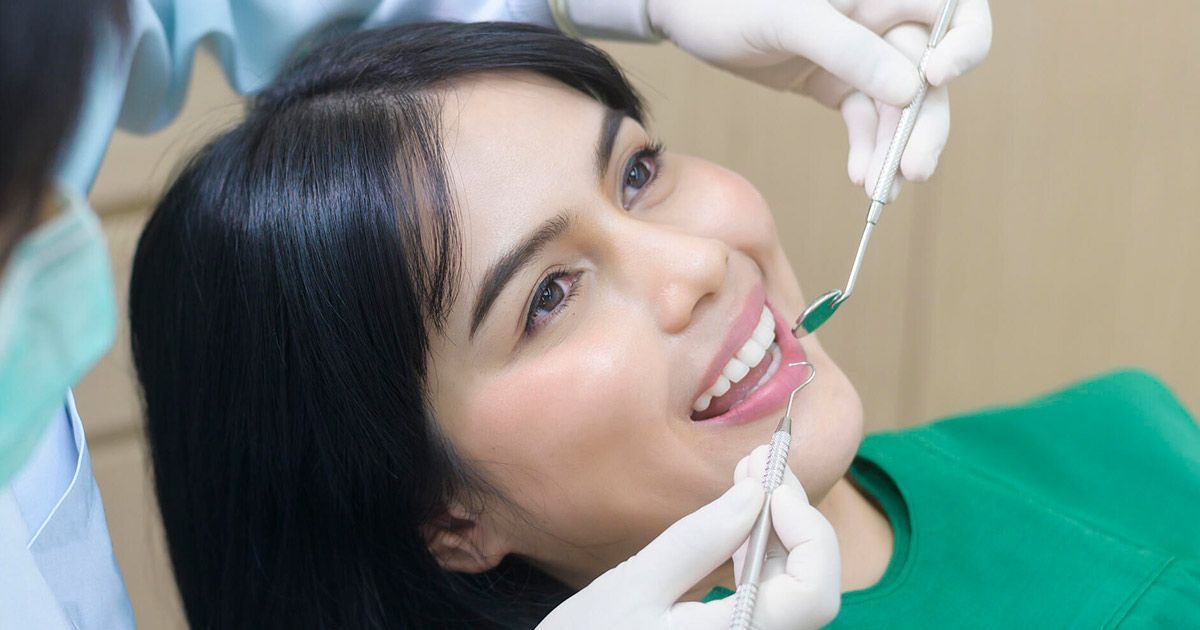
Before the hygienist starts cleaning your teeth, they'll perform a basic physical exam of your mouth. This includes your teeth, gums, inner cheeks, and tongue.
The hygienist might use a small mirror to help see hard-to-reach areas. The physical exam is used to check for gum irritation or inflammation, sores, abnormalities, or other visible concerns.
At this time, let your hygienist know if you're having any problems including pain, sensitivity, or bleeding. If they suspect a serious problem, they may call in the dentist early to ensure it's safe to proceed with the dental cleaning.
Remove Plaque and Tartar
Now that the initial check-up is done, it's time to get to work!
The hygienist will use a small metal scraper, also known as a scaler, to remove plaque and tartar from the surface of your teeth, in between your teeth, and along your gum line. A small mirror helps guide them during this process.
Removing plaque and tartar shouldn't hurt. In some sensitive areas, your gums may bleed or you may feel pressure. Alert the hygienist if you feel sharp pain or extreme discomfort. Excessive bleeding could be a sign of something more serious like gum disease.
Most people describe the feeling as scraping or scratching against the surface of the tooth. You may also hear a scraping sound, which is completely normal. The hygienist may spend more time on a specific tooth or area if you have an excess build-up of plaque or tartar.
Plaque that accumulates on your teeth turns into tartar, which is much harder and more difficult to remove. This is one reason dental cleanings are so important. Tartar is so hard that it can't be removed by brushing or flossing and requires the attention of a dental professional.
By removing plaque with regular brushing and flossing, you can prevent it from building up and turning into tartar. The more you brush and floss, the less time your hygienist has to spend scraping your teeth.
Deep Teeth Cleaning
Once your teeth are free from tartar, the hygienist can start the cleaning process. Most use a high-powered electric toothbrush and special toothpaste which tastes and smells like regular toothpaste. In some cases, you can even choose the flavor!
You may notice the toothpaste feels "grittier." It's this consistency that efficiently scrubs and polishes your teeth. You may also hear a grinding or motorized sound during this process as the hygienist removes any excess tartar missed by the scraper.
The dental hygienist will use a fair amount of pressure as they scrub your teeth clean. It's not recommended that you use this same type of pressure at home when brushing. This will cause damage to your gums and may put you at greater risk of gum disease.
It can also wear away at your enamel which is a thin coating that protects your teeth -- and once it's gone, you can't replace it.
Instead, use soft, small circular motions when brushing and
floss at least once a day. Some dentists recommend an electric toothbrush to prevent overbrushing.
Flossing
Nothing beats professional flossing. Even if you floss at home, your hygienist will perform an expert job at the end of your appointment.
They can reach deep between your teeth in areas you might miss or overlook. They can also target potential trouble spots where your gums are particularly thin, sensitive, or tender.
Rinse
After a scraping, dental deep cleaning, and professional flossing, you'll need to rinse your mouth out. This gets rid of any leftover debris or grit in your mouth and between your teeth.
Most dentist's chairs have a small sink nearby equipped with a tiny water spout and cup for you to conveniently use. Some dentists use fluoride for the final rinse instead of plain water.
They may also apply a fluoride treatment directly to your teeth, instead. This helps protect your teeth against cavities until your next visit. There are a few types of fluoride treatments including a thin coating that's brushed onto your teeth or a foaming gel placed in a mouthpiece for you to bite down on.
Other Procedures to Expect During Your Dental Cleaning
While these are the most basic steps you can expect during a routine dental cleaning, they aren't the only ones. Many dentists take X-rays of your teeth once a year. These images let the dentist see beyond what's on the surface.
X-rays can help uncover issues with your jaw, the roots of your teeth, or existing fillings. The dentist will place a protective lead apron over your upper body and step out of the room to protect you both from radiation.
Book Your Appointment Today!
Knowing what to expect from your next dental cleaning should help put your mind at ease. The team at Broadway Cosmetic Dentistry PC provides all the care your smile will ever need.
From routine check-ups and cleanings to cosmetic procedures, dental implants, crowns, and preventative care, we accommodate all your dental needs.
Click here to request an appointment with an experienced dentist in Tarrytown, NY today.
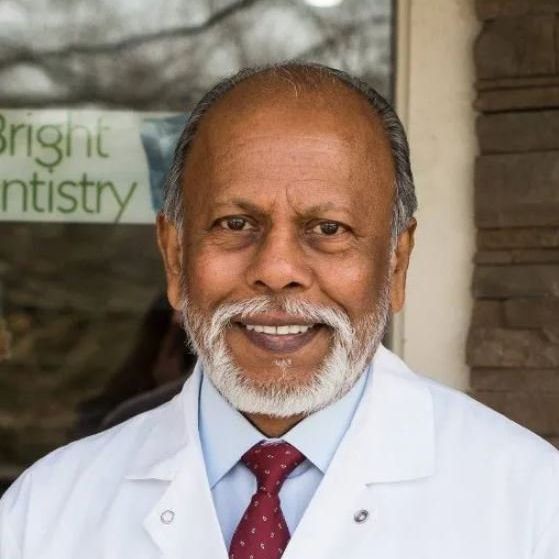
Dr. Rohit Z Patel
D.D.S
After graduating at the top of his class, Dr. Patel continued his postgraduate studies in endodontics at Columbia University College of Dental Medicine in New York. He was appointed to assistant clinical professor of dentistry at Columbia University and later moved on to teach at the Montefiore Medical Center’s Department of Dentistry. Westchester Magazine recognized Dr. Patel as a “Top Dentist for 2012.”

Dr. Yung Kim
D.D.S
Dr. Yung Kim is a double board certified Periodontist and board certified Prosthodontist, educated to treat many extremely complex disorders involving gum disease, tooth decay, and oral pathology. His focus is on full-mouth, complex, surgical, and reconstructive dentistry. He has extensive knowledge of implant dentistry and advanced surgical procedures, specializing in teeth in a day and All-on-Four implants. He is also Invisalign certified and experienced with CAD/CAM restorations and dentures.

Dr. Brendan Gallagher
D.D.S
Dr. Brendan Gallagher is dedicated to providing safe, compassionate, and reliable surgical care while keeping communication clear and timely with referring offices. He values building strong partnerships with colleagues to ensure the very best care for patients. Outside of practice, Dr. Gallagher enjoys mentoring upcoming dentists through social media and podcasting. He also enjoys running, trying new craft beers and spending time with friends and family. You can find Dr. Gallagher at our Brewster, Tarrytown and Mount Vernon locations.

Dr. Santvana Vyas
D.D.S
Dr Vyas attended NYU College of Dentistry and earned DDS in 2016 at the top of her class. She was inducted into Omicron Kappa Upsilon (OKU), the national dental honor society and earned Outstanding Achievement Award in study of Prosthodontics.
Dr Vyas is an active member of American College of Prosthodontics (ACP) and American Dental Association (ADA). She is appointed as a Clinical Assistant Professor at NYU College of Dentistry. She is married and is blessed with two sons.
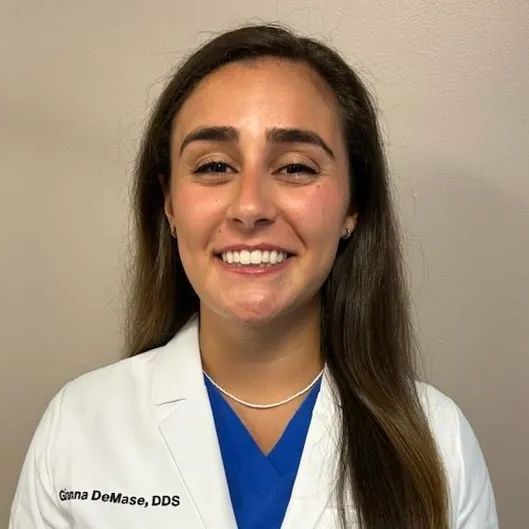
Dr. Gianna DeMase
D.D.S
Dr. DeMase received her undergraduate degree from Binghamton University where she double-majored in Biology and Spanish. She then earned her Doctor of Dental Surgery from New York University College of Dentistry where she graduated with honors in periodontics. After dental school, Dr. DeMase completed a General Practice Residency at Jacobi Medical Center, a level one trauma hospital. Here, she participated in community outreach in the women’s health clinic and taught medical students how to do oral exams. She also worked with special needs patients in Jacobi’s Rose F. Kennedy Center. Dr. DeMase remains committed to being active in the community.
Read More
Dr. DeMase has experience in cavity restoration, endodontics, oral surgery, oral pathology, and prosthodontics including implant restorations.
She highly values patient education and always ensures your comfort and understanding of the treatment. She strongly believes in patient centered care and therefore tailors each treatment plan to you and your needs. As a member of the American Dental Association, Dr. DeMase is always aware of the latest studies and developments in the dental field and strives to apply them to her practice. In her spare time, she can usually be found with a book in her hands.