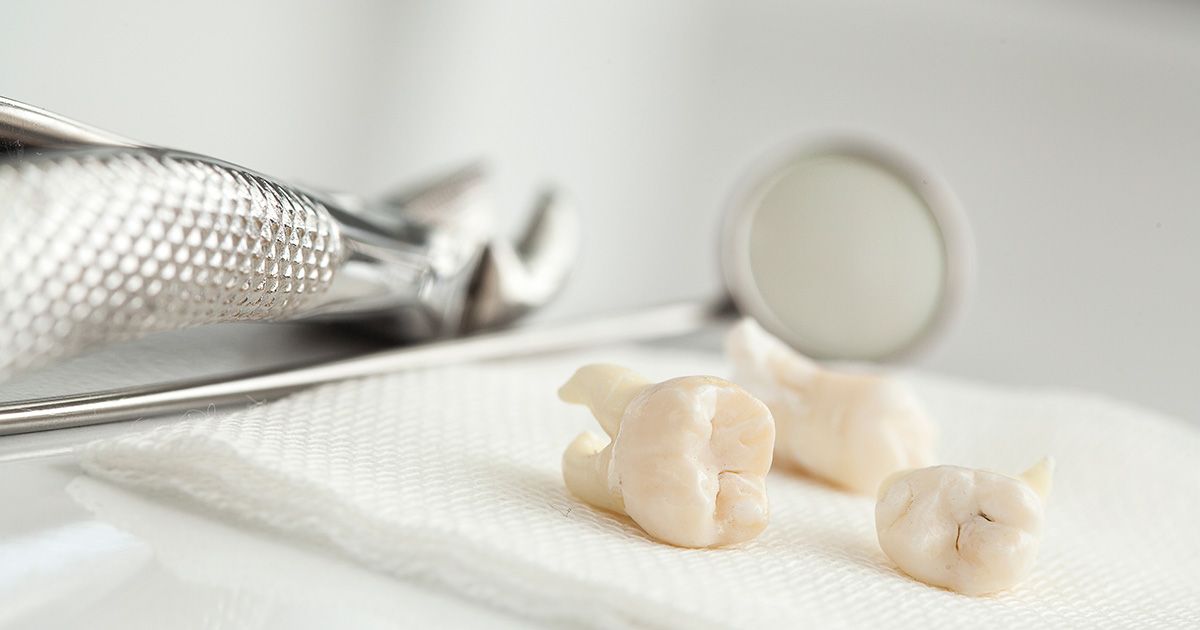
Understanding Dental Implant Pain: What to Expect
Do dental implants hurt? Discover the reality of implant pain and learn comfort tips from experts. Visit us today to ease your mind!
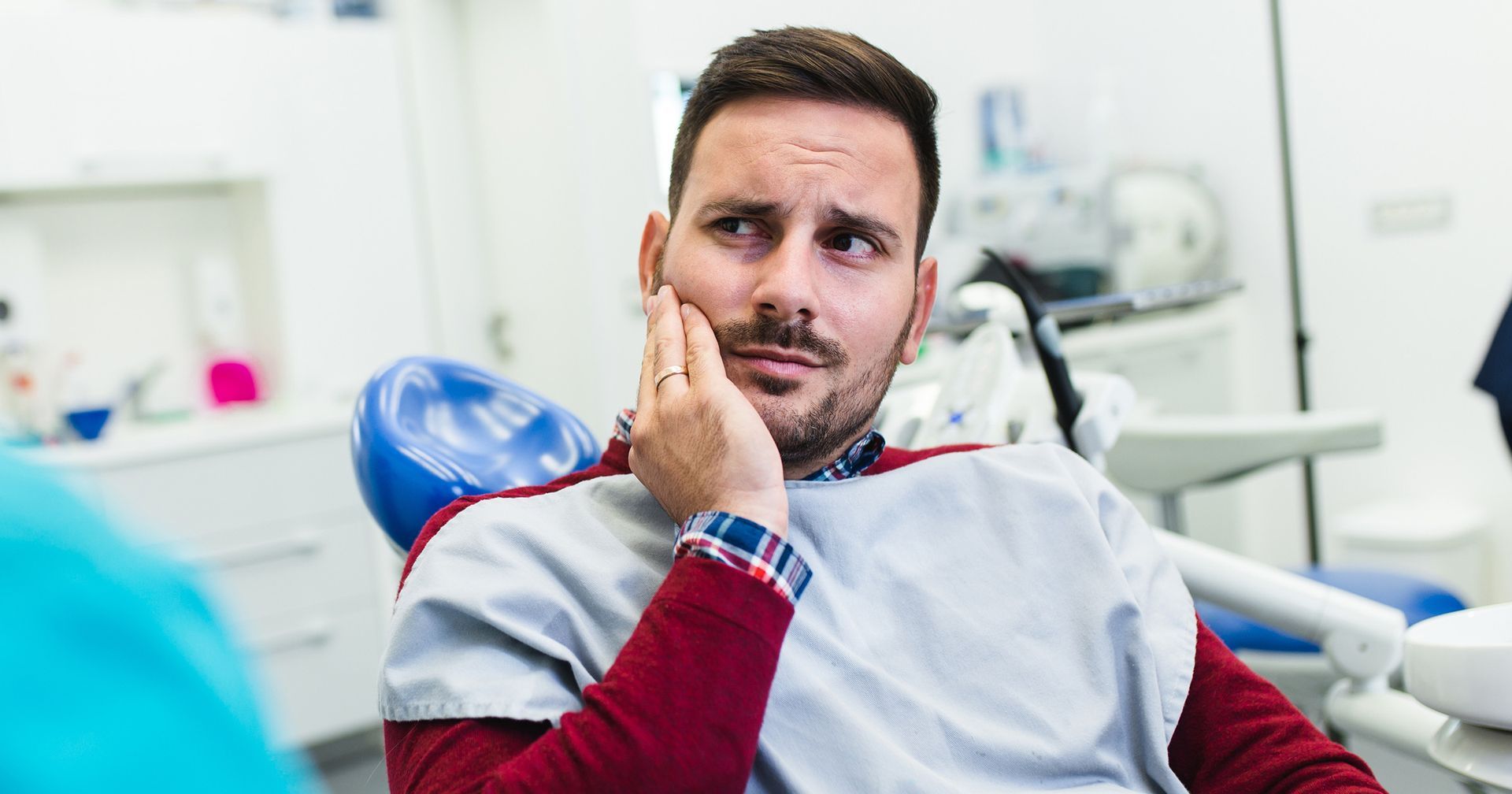
More than 5 million dental implants are placed in the U.S. every year, according to the Dental Clinics of North America, making them one of the most successful and long-lasting tooth replacement options. But if you're considering getting one, there's probably one big question on your mind: do dental implants hurt?
Here's the truth: while discomfort is part of any dental procedure, modern techniques, anesthesia, and expert care make it far more manageable than you might expect.
Most patients report mild to moderate soreness that fades within days. The key is knowing what to expect and how to manage it.
If you're nervous about the process, keep reading. We'll break down the procedure, pain levels, and recovery tips so you can feel confident in your decision.
What to Expect During the Procedure
The dental implant procedure is done in multiple steps, with healing time in between. While the idea of surgery might seem intimidating, the process itself is actually very controlled, and most patients experience little to no discomfort during the procedure.
Anesthesia for Implants
Before anything else, the dentist applies anesthesia to numb the area. Depending on the patient's comfort level, this can be local anesthesia, sedation dentistry, or, in rare cases, general anesthesia. Most people only require local anesthesia, which keeps them awake but pain-free.
Placing the Implant Post
Once the area is numb, the dentist makes a small incision in the gum to access the jawbone. A specialized drill is used to create space for the implant post, which is a titanium screw that serves as the root for the artificial tooth.
This step is precise and usually takes about 30 to 60 minutes per implant.
Healing and Osseointegration
After the implant is placed, the bone needs time to heal and fuse with the titanium post. This process, known as osseointegration, can take anywhere from three to six months, depending on individual healing speed.
Some patients may receive a temporary crown during this period, while others wait for the final restoration.
Abutment and Crown Placement
Once the bone has fused with the implant, the dentist attaches an abutment, which is a small connector that holds the artificial tooth in place. The custom-made crown is then secured to the abutment, completing the process. At this point, the new tooth looks and functions just like a natural one.
Most patients feel little to no pain during the procedure itself, thanks to anesthesia. Any discomfort tends to occur during the dental surgery recovery phase, which is usually mild and short-lived.
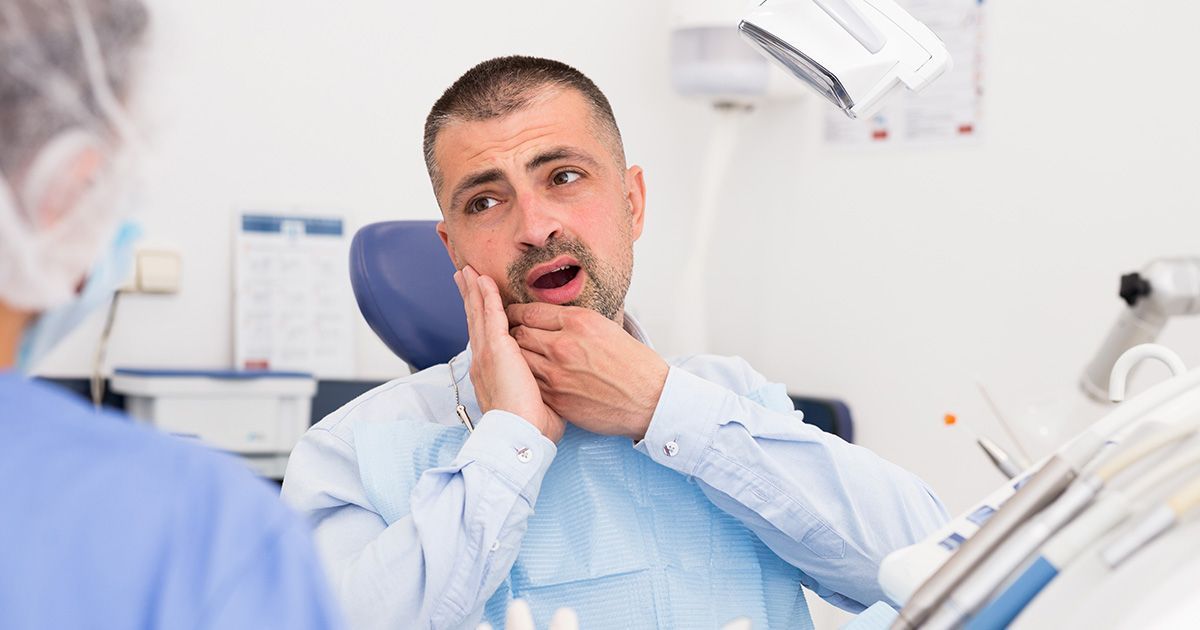
Do Dental Implants Hurt?
Pain varies from patient to patient, but most report only mild to moderate discomfort after surgery. The key factors affecting pain levels include the following:
- The number of implants placed
- Whether a bone graft was needed
- Individual pain tolerance
Immediate Post-Surgery Sensations
Right after the procedure, some swelling and soreness are common, but severe pain is not. Any initial discomfort is usually managed with over-the-counter pain relievers like ibuprofen or acetaminophen.
Some typical sensations include:
- Swelling around the implant site and jaw
- Mild bleeding for the first few hours
- Soreness that peaks within 24 to 48 hours
The First Few Days
During the first three to five days, the gums around the implant site may feel a little tender, and chewing on that side of the mouth might be uncomfortable. Sticking to soft foods can help reduce irritation.
Most swelling should go down within a week, though minor bruising could last a little longer. If the discomfort worsens instead of improving, that could be a sign of infection or implant failure.
Long-Term Healing Sensations
After about two weeks, any pain should be virtually gone. By this stage, only slight sensitivity around the implant post-surgery area remains, especially if pressure is applied. If the pain is persistent or sharp, a follow-up with the dentist is recommended.
Severe pain is rare, but when it does occur, it might indicate:
- Infection at the implant site
- Nerve irritation from improper placement
- Poor osseointegration, meaning the bone isn't fusing properly
Tips for Managing Discomfort After Dental Implants
Most discomfort is manageable with simple at-home care. To speed up healing and reduce pain, dentists recommend the following.
Medication and Pain Relief
Most discomfort after a dental implant procedure can be managed with pain relievers. Over-the-counter options like ibuprofen or acetaminophen are often enough to reduce soreness and inflammation. In some cases, particularly if multiple implants were placed or a bone graft was required, the dentist may prescribe stronger pain medication.
Reducing Swelling and Bruising
Swelling is a natural response after surgery, but there are ways to minimize it. Applying an ice pack to the affected area for 15-minute intervals during the first day can help control inflammation. Keeping the head elevated while resting or sleeping also reduces swelling by preventing excess fluid buildup.
Diet Adjustments for Easier Healing
Soft foods prevent unnecessary strain on the implant site. Some good options include:
- Mashed potatoes
- Scrambled eggs
- Yogurt
- Smoothies
- Applesauce
Chewy, crunchy, or spicy foods should be avoided for at least one week.
Oral Hygiene for Infection Prevention
Keeping the area clean is essential. However, brushing directly over the implant site should be avoided at first. Instead:
- Use a soft-bristled toothbrush to clean gently around the area
- Rinse with warm salt water a few times a day
- Avoid alcohol-based mouthwash, as it can irritate healing tissues
When to Contact Your Dentist About Pain
Most patients heal without complications, but some signs indicate a problem that needs immediate attention.
Call your dentist if you experience the following:
- Pain that worsens after the first five to seven days instead of improving
- Excessive swelling, redness, or pus, which can indicate infection
- A loose implant or a clicking sensation when biting
Confidence Starts with a Healthy Smile
So, do dental implants hurt? Mild discomfort is normal, but with proper care and pain management, it's far from unbearable. Understanding what to expect before, during, and after the procedure helps you feel prepared and at ease.
At Broadway Cosmetic Dentistry PC, we understand that every patient has unique concerns. That's why we offer personalized treatment plans, sedation options for nervous patients, and cutting-edge technology for precise, efficient care. Our team prioritizes comfort at every stage of the process.
Schedule a consultation today and experience expert dental care in Tarrytown, NY.
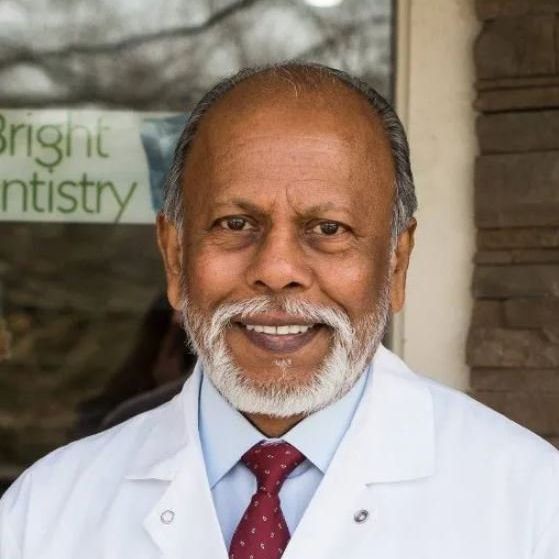
Dr. Rohit Z Patel
D.D.S
After graduating at the top of his class, Dr. Patel continued his postgraduate studies in endodontics at Columbia University College of Dental Medicine in New York. He was appointed to assistant clinical professor of dentistry at Columbia University and later moved on to teach at the Montefiore Medical Center’s Department of Dentistry. Westchester Magazine recognized Dr. Patel as a “Top Dentist for 2012.”

Dr. Yung Kim
D.D.S
Dr. Yung Kim is a double board certified Periodontist and board certified Prosthodontist, educated to treat many extremely complex disorders involving gum disease, tooth decay, and oral pathology. His focus is on full-mouth, complex, surgical, and reconstructive dentistry. He has extensive knowledge of implant dentistry and advanced surgical procedures, specializing in teeth in a day and All-on-Four implants. He is also Invisalign certified and experienced with CAD/CAM restorations and dentures.

Dr. Brendan Gallagher
D.D.S
Dr. Brendan Gallagher is dedicated to providing safe, compassionate, and reliable surgical care while keeping communication clear and timely with referring offices. He values building strong partnerships with colleagues to ensure the very best care for patients. Outside of practice, Dr. Gallagher enjoys mentoring upcoming dentists through social media and podcasting. He also enjoys running, trying new craft beers and spending time with friends and family. You can find Dr. Gallagher at our Brewster, Tarrytown and Mount Vernon locations.

Dr. Santvana Vyas
D.D.S
Dr Vyas attended NYU College of Dentistry and earned DDS in 2016 at the top of her class. She was inducted into Omicron Kappa Upsilon (OKU), the national dental honor society and earned Outstanding Achievement Award in study of Prosthodontics.
Dr Vyas is an active member of American College of Prosthodontics (ACP) and American Dental Association (ADA). She is appointed as a Clinical Assistant Professor at NYU College of Dentistry. She is married and is blessed with two sons.
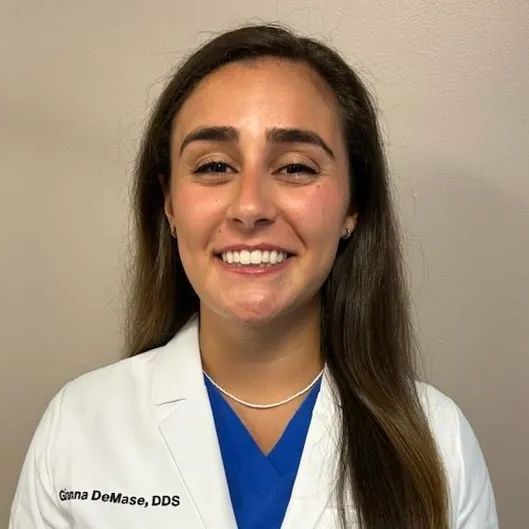
Dr. Gianna DeMase
D.D.S
Dr. DeMase received her undergraduate degree from Binghamton University where she double-majored in Biology and Spanish. She then earned her Doctor of Dental Surgery from New York University College of Dentistry where she graduated with honors in periodontics. After dental school, Dr. DeMase completed a General Practice Residency at Jacobi Medical Center, a level one trauma hospital. Here, she participated in community outreach in the women’s health clinic and taught medical students how to do oral exams. She also worked with special needs patients in Jacobi’s Rose F. Kennedy Center. Dr. DeMase remains committed to being active in the community.
Read More
Dr. DeMase has experience in cavity restoration, endodontics, oral surgery, oral pathology, and prosthodontics including implant restorations.
She highly values patient education and always ensures your comfort and understanding of the treatment. She strongly believes in patient centered care and therefore tailors each treatment plan to you and your needs. As a member of the American Dental Association, Dr. DeMase is always aware of the latest studies and developments in the dental field and strives to apply them to her practice. In her spare time, she can usually be found with a book in her hands.